That’s what we sought to find out, with a collaborative church project last year….
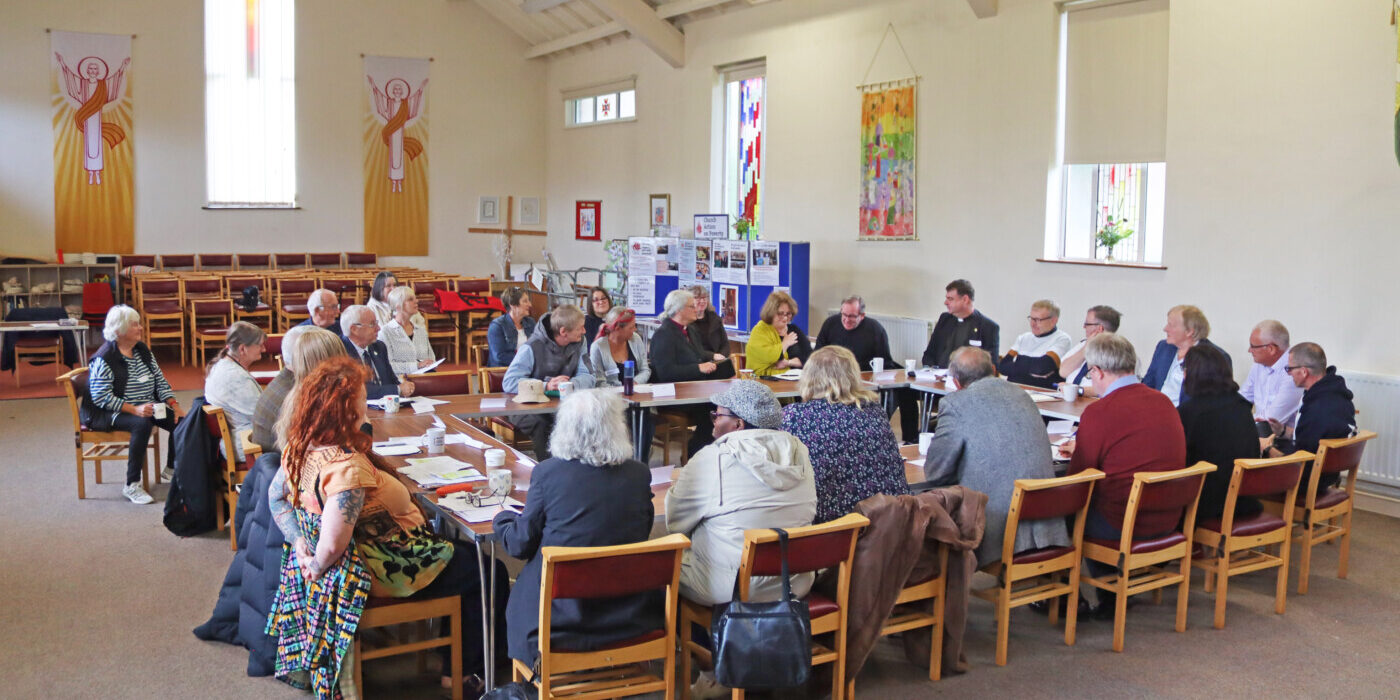
Sharing Power to Shape Mission was a series of intentional conversations aimed at bringing together people with lived experience of poverty in South Manchester, and local church leaders.
This earlier article outlined what we had in mind at the start of the project. So, a year on, how did it go?
We met regularly during 2025 to discuss experiences and ideas for tackling poverty and the church’s role.
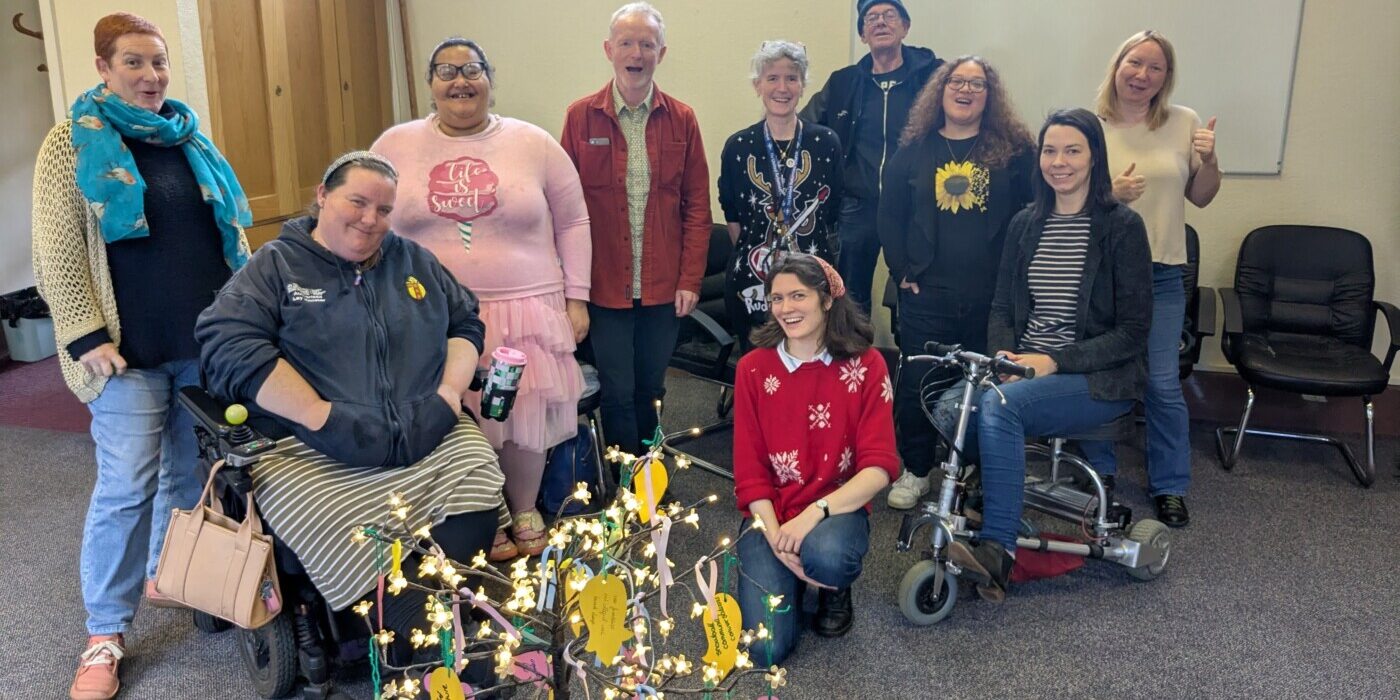
The group included eight grassroots participants, who collectively had experience of disability, neurodiversity, racism, homelessness, depression, mental illness, abuse, the care system, the asylum system and stigmatisation.
Some were active in their churches, others had only limited interactions with church. Most had had some involvement in community projects that were run by or hosted in churches. There were also six church leaders, including URC ministers and a convenor, a theological college lecturer, and the chief execs of two Christian social justice charities.
We explored and unpacked the assumptions that exist about who is and isn’t part of the church, based on class and stigma, and how these assumptions can limit ideas about what people experiencing poverty can contribute. These assumptions are often made about other people, and can also be internalised and impact people’s dignity and self-worth. We discussed how to break down these assumptions and challenge the ‘middle class-ness’ of the church.
We also discussed different forms of power. We discovered that once assumptions were broken down there was more power within the group than might be expected, and this power was increased by coming together.
The aim of the project was to discern priorities for the church and to generate two or three practical ideas that the group could put into action. We discussed various ideas for carrying these discussions forward.
People felt there was a need for more ‘gritty conversations’ in which churches and communities genuinely listen to each other and are able to share hard truths. They want to reach out to churches and church leaders who are potentially interested in this sort of work but have not been prioritising it. The group also wants to explore ways to resource and support people with lived experience who have ideas for projects that tackle poverty and related social issues.
It remains to be seen how many of these ideas will come to fruition – but there is certainly lots of exciting potential.